1. Introduction
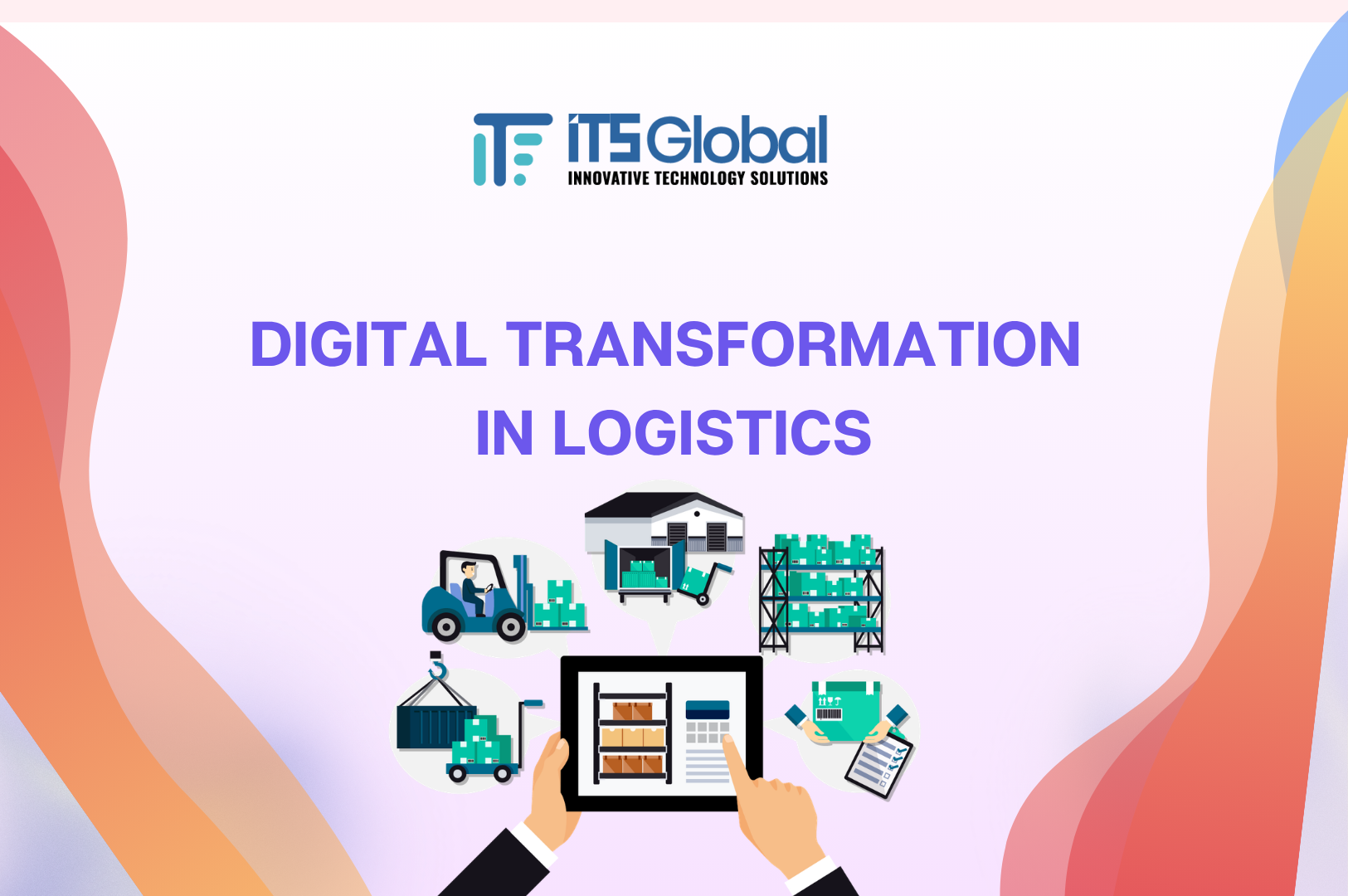
In the context of a rapidly evolving global economy, logistics and warehouse management have become critical components of an efficient and resilient supply chain. Businesses today are under increasing pressure to handle higher delivery volumes, address ongoing labor shortages, and maintain a high level of operational accuracy while keeping costs under control.
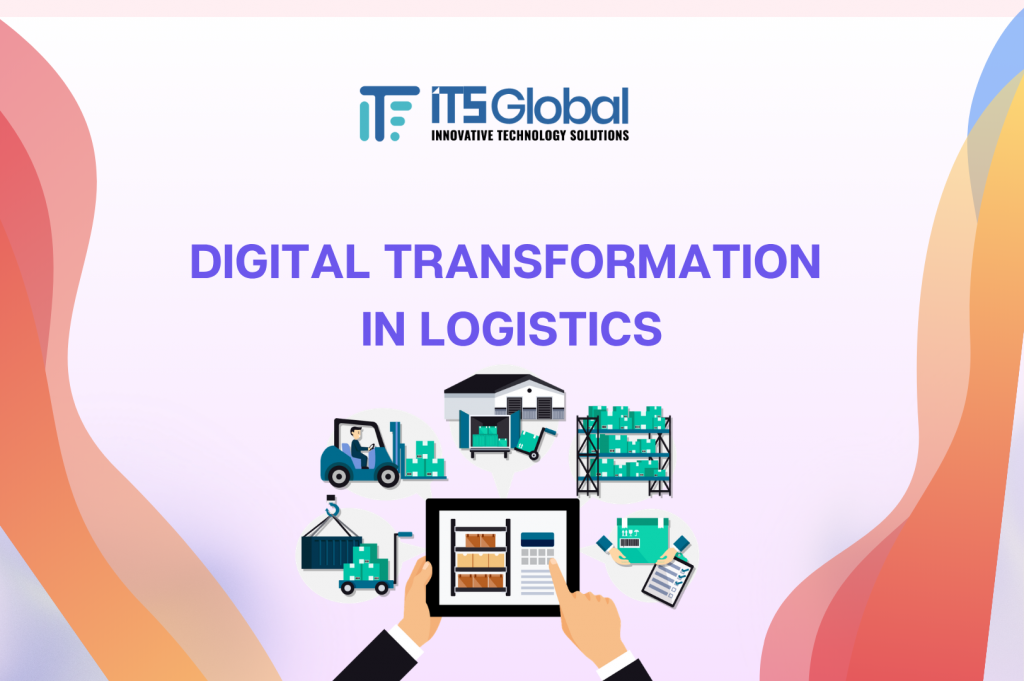
Traditional methods are no longer sufficient to meet these demands. As a result, Digital Transformation (DX) has emerged as a strategic approach that enables organizations to modernize their operations through technology. By integrating advanced digital solutions into warehouse management and transportation, companies can significantly improve efficiency, reduce risks, and enhance overall performance.
This article provides an in-depth look at how DX is applied in logistics, highlighting key technologies, practical use cases, and the tangible value it delivers to businesses.
2. DX Applications in Warehouse Management
One of the most impactful areas of DX in logistics is warehouse management, where digital technologies help streamline operations and improve inventory control.
A Warehouse Management System (WMS) serves as the foundation of this transformation. By enabling real-time tracking of inventory, WMS allows businesses to maintain accurate stock levels, optimize storage space, and reduce time spent locating goods. Instead of relying on manual processes, companies can automate inventory updates and gain full visibility into warehouse operations. This leads to faster order processing and a significant reduction in operational errors.
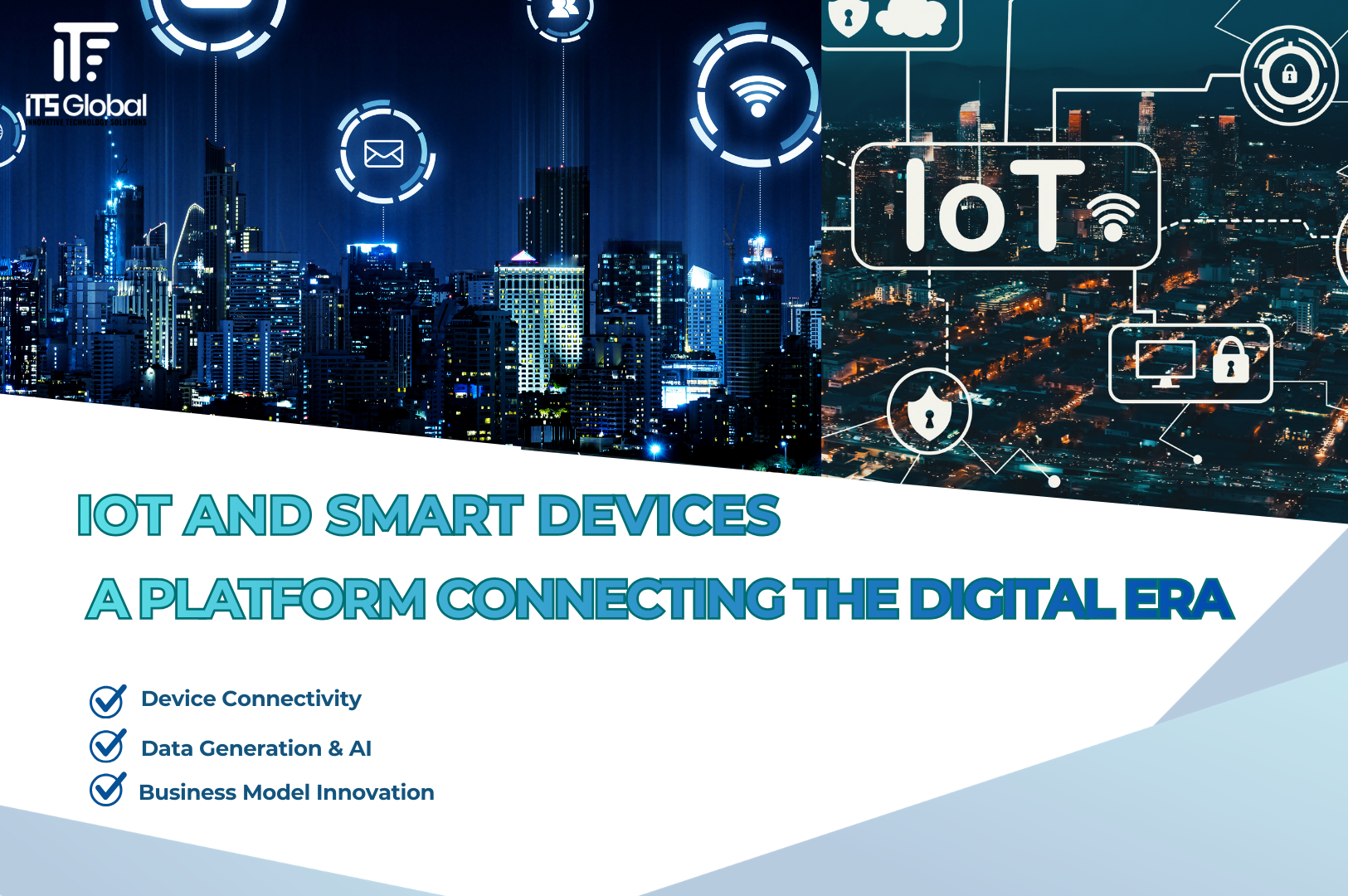
In addition to WMS, the integration of IoT and Big Data further enhances warehouse efficiency. IoT devices, such as sensors, continuously monitor environmental conditions like temperature and humidity, ensuring that sensitive goods are stored under optimal conditions. The data collected from these devices is then analyzed using Big Data technologies to generate insights into demand patterns and inventory trends. With this level of intelligence, businesses can make more informed decisions, avoiding both overstocking and stock shortages.
Automation technologies, including robotics and Automated Storage and Retrieval Systems (ASRS), are also transforming warehouse operations. These systems reduce reliance on manual labor by automating repetitive tasks such as picking, sorting, and transporting goods. As a result, businesses can achieve higher accuracy and productivity while minimizing human error. This is particularly beneficial for large-scale warehouses or operations with high order volumes, where efficiency is crucial.
3. DX Applications in Transportation
Beyond warehouse management, Digital Transformation is also reshaping transportation processes, making them more efficient, transparent, and data-driven.
One of the most valuable applications is AI-driven route optimization. By leveraging Artificial Intelligence and Machine Learning, businesses can analyze vast amounts of data to determine the most efficient delivery routes. This not only reduces transportation time but also lowers fuel consumption and operational costs. Moreover, predictive analytics can anticipate potential disruptions such as traffic congestion or adverse weather conditions, allowing companies to proactively adjust their plans.
Real-time tracking systems further enhance transportation management by providing full visibility into the movement of goods. GPS-enabled solutions allow businesses to monitor vehicle locations and shipment status at any given moment. This level of transparency improves coordination between teams and enables companies to provide accurate delivery updates to customers, ultimately enhancing customer satisfaction.
Another emerging technology in logistics is blockchain, which addresses the need for secure and transparent data management. By using blockchain, companies can digitize and securely store important documents such as invoices, contracts, and delivery records. This reduces the risk of fraud, minimizes paperwork, and ensures data integrity across the entire supply chain.
4. Key Benefits of DX Integration
The integration of Digital Transformation technologies in logistics brings a wide range of benefits that directly impact business performance.
First, it significantly reduces operational costs by automating manual processes and minimizing errors. Businesses can operate more efficiently with fewer resources while maintaining high levels of accuracy.
Second, DX improves both speed and reliability. Real-time data and automated systems ensure that operations run smoothly, enabling faster order fulfillment and more accurate inventory management.
In addition, customer experience is greatly enhanced. With optimized delivery processes and real-time tracking, customers receive their orders more quickly and with greater transparency. This builds trust and strengthens customer loyalty over time.Finally, DX provides a strong competitive advantage. Companies that adopt digital technologies are better equipped to respond to market changes, scale their operations, and innovate continuously. In a highly competitive industry like logistics, this adaptability is a key factor for long-term success.
5. Challenges and Solutions in DX Adoption
Despite its many advantages, implementing Digital Transformation in logistics is not without challenges.
One of the primary obstacles is the high initial investment required. Deploying advanced systems such as ASRS or IoT infrastructure can be costly, especially for small and medium-sized enterprises. Additionally, there is often uncertainty regarding the return on investment, which can make decision-makers hesitant. Another significant challenge is the lack of skilled personnel. Operating and maintaining modern technologies such as AI, Big Data, and blockchain requires specialized knowledge. Without proper training, businesses may struggle to fully utilize these systems.
Resistance to change is also a common issue. Employees who are accustomed to traditional workflows may find it difficult to adapt to new technologies, leading to delays in implementation and reduced effectiveness.
To overcome these challenges, businesses should adopt a phased approach to DX. Instead of implementing large-scale changes all at once, companies can start with smaller projects that deliver immediate value, such as introducing a Transportation Management System (TMS) for specific routes. Measuring performance improvements through clear KPIs helps justify further investment. Investing in workforce development is equally important. Providing continuous training and choosing user-friendly technologies can significantly improve adoption rates. At the same time, partnering with experienced technology providers can help businesses navigate technical complexities and accelerate implementation.
Finally, fostering a culture of innovation within the organization is essential. By clearly communicating the benefits of DX and encouraging employees to embrace change, companies can reduce resistance and ensure a smoother transition.
6. Conclusion
Digital Transformation in logistics is no longer a future trend—it is a present necessity. As supply chains become more complex and customer expectations continue to rise, businesses must leverage technology to remain competitive.
By integrating DX into warehouse management and transportation, companies can optimize operations, reduce costs, and deliver superior customer experiences. More importantly, DX enables organizations to build a flexible and scalable foundation for future growth.
Partner with ITS Global
Partnering with ITS Global means gaining access to advanced technology solutions and expert guidance throughout your digital transformation journey. We specialize in Flutter Development and Hybrid App Development, delivering high-performance cross-platform applications tailored to business needs. With strong expertise in SAP Consulting and ERP implementation, ITS Global also provides comprehensive DX solutions for logistics and F&B industries. Our mission is to help businesses optimize operations, enhance customer experiences, and achieve sustainable growth in an increasingly digital world.
Contact us today to explore the right solution for your business and take the next step toward digital transformation.
#FlutterDevelopment #HybridAppDevelopment #SAPConsulting #LogisticsSolutions #FBSolutions


 in Logistics Optimizing Warehouse Management and Transportation)