In an era where smartphones have become indispensable “personal assistants,” mobile app development is no longer limited to attractive interfaces or convenient features. Entering 2025, mobile applications are evolving into an era of intelligent transformation — becoming faster, more personalized, and more deeply connected to the physical world. With rapid technological advancements such as AI, 5G, IoT, and AR/VR, combined with changing user behavior, 2025 is expected to be a breakout year for businesses that are ready to seize new opportunities and adapt to the next generation of mobile innovation.
1. The Rise of 5G and IoT: Redefining Speed and Connectivity
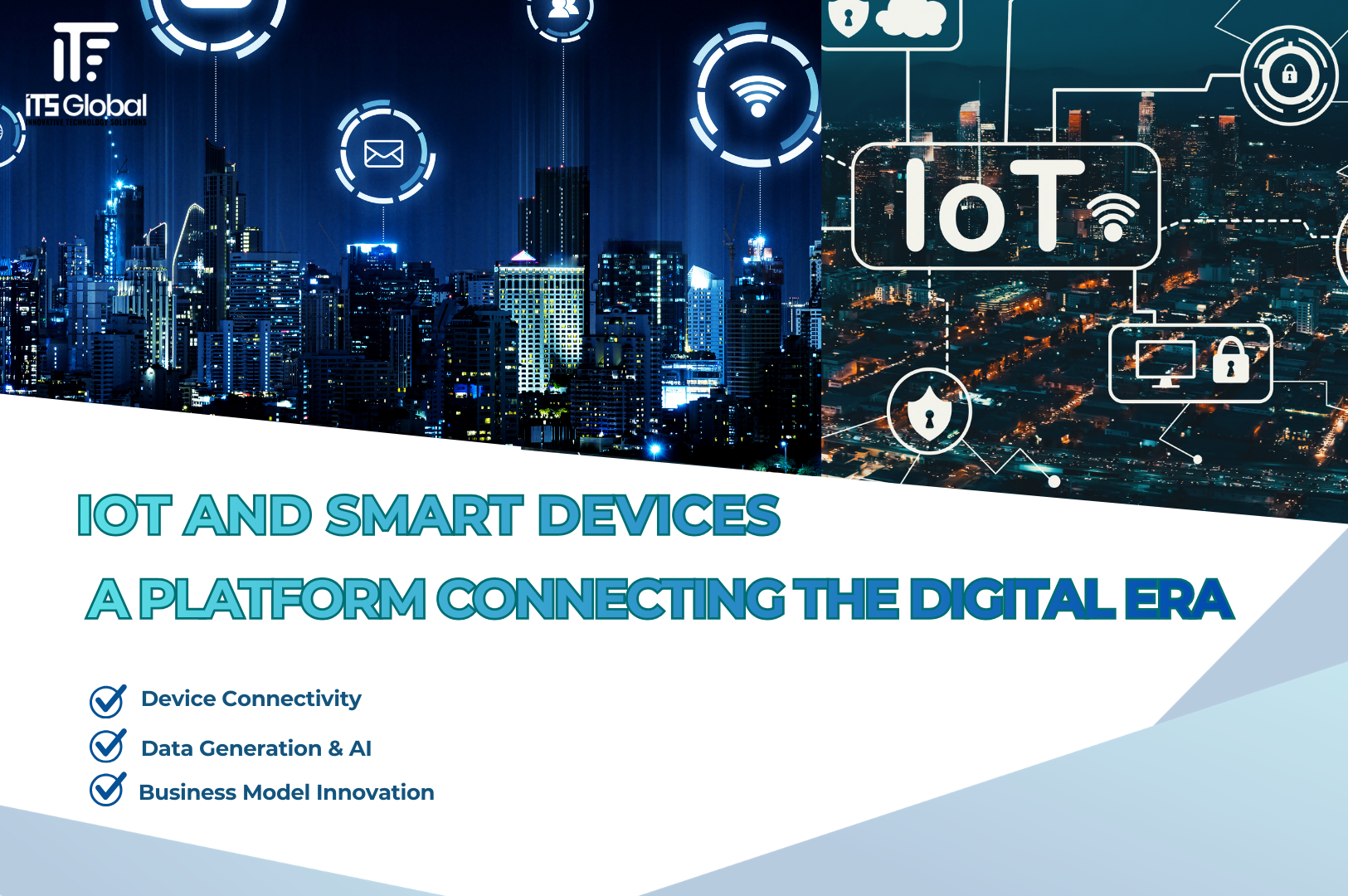
The rise of 5G technology is laying the foundation for a new wave of mobile applications that are faster, smarter, and more integrated with real-world environments. With near-zero latency and bandwidth that can be up to 100 times faster than 4G, 5G significantly improves data transmission while enabling real-time experiences. This creates ideal conditions for applications that rely on AR, VR, high-quality livestreaming, and remote device control. At the same time, the IoT ecosystem continues to grow rapidly, with more than 30 billion connected devices expected to be in operation by 2025. As a result, mobile apps are increasingly becoming central control hubs for smart homes, smart vehicles, and smart factories. Businesses are now developing applications not only for users but also for connected devices, where human-to-machine interaction happens through mobile interfaces.
2. Artificial Intelligence and Machine Learning: From Personalization to Proactive Experiences
Artificial Intelligence and Machine Learning are transforming mobile applications from simple tools into intelligent assistants. In the past, AI was mainly used for product recommendations or search optimization. By 2025, mobile apps will be able to learn user behavior, analyze feedback, and automatically adjust their performance in real time without requiring manual updates. Financial apps can learn spending patterns and proactively warn users about potential overspending, while educational apps can automatically adjust learning difficulty based on user progress. This level of personalization creates unique user experiences, where each user interacts with a customized version of the application. AI is no longer just an additional feature — it is becoming a core factor in user retention and long-term business value.
3. AR/VR: Immersive Mobile Experiences Beyond Traditional Screens
AR and VR technologies are reshaping how users interact with digital content. With the growing adoption of devices such as Apple Vision Pro and Meta Quest 3, digital experiences are moving beyond traditional 2D screens. AR and VR are opening new possibilities in industries such as retail, real estate, education, and healthcare. Instead of viewing static product images, users can virtually place furniture in their living spaces using their smartphone cameras. In education and healthcare, applications can display interactive 3D anatomical models in real-world environments. These immersive experiences increase user engagement and help reduce expectation gaps, which is particularly important in online purchasing decisions. With development tools like ARKit and ARCore becoming more accessible, businesses can now implement advanced AR features more easily than ever before.
4. Super Apps and Mobile Wallets: Reshaping User Behavior
The concept of Super Apps continues to gain momentum, especially in Southeast Asia and China, where platforms like Grab, Zalo, and Gojek have successfully integrated multiple services into a single ecosystem. By 2025, this trend is expected to expand further as users increasingly prefer fewer apps that offer more functionality. At the same time, mobile wallets and digital payments are becoming essential components of modern mobile ecosystems. In a cashless economy, seamless and secure payment integration is no longer optional but mandatory. Businesses that provide smooth payment experiences, strong security, and attractive incentives will gain a significant advantage in building long-term customer loyalty.
5. Low-Code and No-Code Platforms: Accelerating Time to Market
Low-code and no-code platforms are changing how mobile apps are developed. Traditional mobile app development often requires large technical teams and long development cycles. However, platforms such as FlutterFlow, Adalo, and Mendix allow businesses to build MVPs in just a few weeks. This enables companies, especially small and medium-sized businesses, to test ideas quickly, gather real user feedback, and iterate faster with lower costs. Additionally, non-technical teams such as marketing, sales, and operations can directly participate in product development through drag-and-drop interfaces. In a business environment where speed and adaptability determine competitiveness, low-code platforms are becoming essential tools for innovation.
6. Multi-Device and Multi-Format Experiences: The Future of Flexible App Design
The mobile ecosystem in 2025 is no longer limited to smartphones. The rise of foldable devices, smartwatches, tablets, and smart glasses requires developers to design applications with a cross-platform and multi-device mindset from the beginning. Applications must deliver seamless performance across different screen sizes and usage contexts. For example, user interactions on smartwatches require simplified notifications and quick actions, while more complex workflows should be optimized for larger screens such as tablets. Companies that can provide flexible and adaptive user experiences across devices will gain a strong competitive advantage in the market.
7. Sustainable Mobile Marketing: From Acquisition to Retention
Mobile marketing strategies are shifting from user acquisition to long-term user retention. As advertising costs continue to rise and privacy regulations become stricter, traditional growth strategies based on rapid app downloads are becoming less effective. Instead, businesses are focusing more on in-app value creation, user engagement, and increasing customer lifetime value. This requires integrating features such as gamification, personalized user journeys, freemium business models, and loyalty programs. Mobile apps are no longer just service tools — they are becoming platforms for building deeper relationships with customers. Businesses must invest in behavioral analytics, A/B testing, and content strategies to maintain long-term engagement while reducing reliance on paid advertising.
Conclusion: The Future of Mobile Apps Is Strategic and Experience-Driven
Mobile app development trends in 2025 reflect not only technological advancements but also major shifts in user expectations, business strategies, and digital experiences. Companies that can understand these trends and implement them effectively will not only remain competitive but also lead the market in the next phase of digital transformation.
Partner With ITS Global for Your Digital Transformation Journey
With ITS Global, businesses can access not only optimized technology solutions but also opportunities for breakthrough growth. ITS Global specializes in Flutter Development, Hybrid App Development, SAP Consulting, ERP implementation, and Digital Transformation solutions for industries such as logistics and F&B. By combining technical expertise with industry knowledge, ITS Global helps businesses improve operational efficiency, enhance customer experience, and strengthen their market position. Contact ITS Global today to discover the best solution for your business and prepare for the next stage of digital transformation.