1. The Impact of Trade Agreements (CPTPP, RCEP) on the Logistics Sector
Amid deepening global economic integration, Vietnam has actively participated in a number of new-generation free trade agreements (FTAs), most notably the Comprehensive and Progressive Agreement for Trans-Pacific Partnership (CPTPP) and the Regional Comprehensive Economic Partnership (RCEP). These agreements present significant opportunities for Vietnam’s logistics industry, while simultaneously posing considerable challenges.
Opportunities
Market expansion and enhanced cooperation
CPTPP and RCEP enable Vietnam to access a wider range of markets through preferential tariff treatment, thereby stimulating demand for logistics services to support growing import and export activities.
Increased investment and technology transfer
These FTAs create favorable conditions for international logistics corporations to invest in Vietnam. As a result, domestic enterprises gain opportunities to adopt advanced management technologies, improve operational efficiency, and optimize supply chain performance.
Development of cross-border logistics services
Thanks to trade facilitation commitments under RCEP, the flow of goods between Vietnam and countries such as ASEAN members, China, Japan, and South Korea is expected to increase significantly, driving the expansion of cross-border logistics services.
Challenges
Intensified competition
Market liberalization in the logistics sector exposes Vietnamese enterprises to fierce competition from global logistics players with strong financial resources, advanced technologies, and well-established service networks.
Compliance with international standards
CPTPP and RCEP impose stringent requirements related to service quality, environmental protection, and labor standards. Vietnamese logistics companies must strengthen their capabilities and upgrade their operations in order to comply with these international benchmarks.
2. Comparing Logistics Infrastructure and Policies: Vietnam and Other Regional Countries
Vietnam has made notable progress in developing its logistics infrastructure in recent years; however, significant gaps remain when compared with other countries in the region.
Infrastructure Comparison
Vietnam: Seaports and warehousing systems
Despite ongoing improvements, Vietnam’s logistics infrastructure continues to face bottlenecks in transport connectivity and warehouse management. Logistics costs account for over 20% of Vietnam’s GDP, significantly higher than the global average of approximately 11%, which undermines overall competitiveness.
Singapore: A leading regional logistics hub
Singapore is home to one of the world’s most productive seaports, supported by advanced and smart logistics centers. In addition, the country established Free Trade Zones (FTZs) as early as 1969, providing a highly favorable environment for trade facilitation and logistics operations.
Thailand: Investment in economic corridors
Thailand has made substantial investments in developing economic corridors and expanding its airport and seaport systems based on the “Hub & Spoke” model, with the aim of enhancing connectivity and improving the efficiency of freight transportation.
Logistics Policy Support
Vietnam’s logistics development policies
The Vietnamese government issued Resolution No. 163/NQ-CP, outlining the national strategy for logistics development toward 2025, with key objectives including reducing logistics costs and improving operational efficiency. Nevertheless, implementation has faced challenges due to complex administrative procedures and insufficient coordination among relevant authorities.
Although Vietnam has achieved important milestones in both infrastructure development and logistics policy support, further improvements are required to keep pace with regional peers. Learning from the experiences of Singapore and Thailand could help Vietnam strengthen its competitiveness and enhance overall efficiency in the logistics sector.
3. Global Supply Chain Shifts and the Benefits for Vietnam
Opportunities
Attracting manufacturing and logistics investment
Global corporations such as Apple, Samsung, and Nike have relocated part of their manufacturing operations to Vietnam, driving strong demand for logistics services. Vietnam is highly regarded for its strategic location and competitive labor market, with wage levels estimated to be approximately half of those in China’s coastal regions.
Integration into global value chains
Vietnam has the potential to strengthen its position within global supply chains, particularly in key sectors such as electronics, textiles and garments, and agricultural products, thereby moving up the value chain and increasing its overall economic contribution.
Challenges
Limited infrastructure capacity
The expansion of manufacturing activities requires a logistics system capable of responding quickly and efficiently. However, Vietnam continues to face bottlenecks in transport infrastructure and multimodal connectivity, which may constrain large-scale supply chain relocation.
Shortage of highly skilled human resources
Vietnam’s logistics industry is experiencing a shortage of skilled and specialized professionals, making it difficult to meet the increasingly sophisticated requirements of international markets.
4. Development Directions for Seaports, Warehousing, and Logistics Centers
Development Strategies
Inland Container Depot (ICD) planning toward 2030
The development of ICDs aims to strengthen connectivity between maritime transport, railways, and road networks, thereby reducing logistics costs and improving overall transport efficiency.
Adoption of Industry 4.0 technologies in logistics
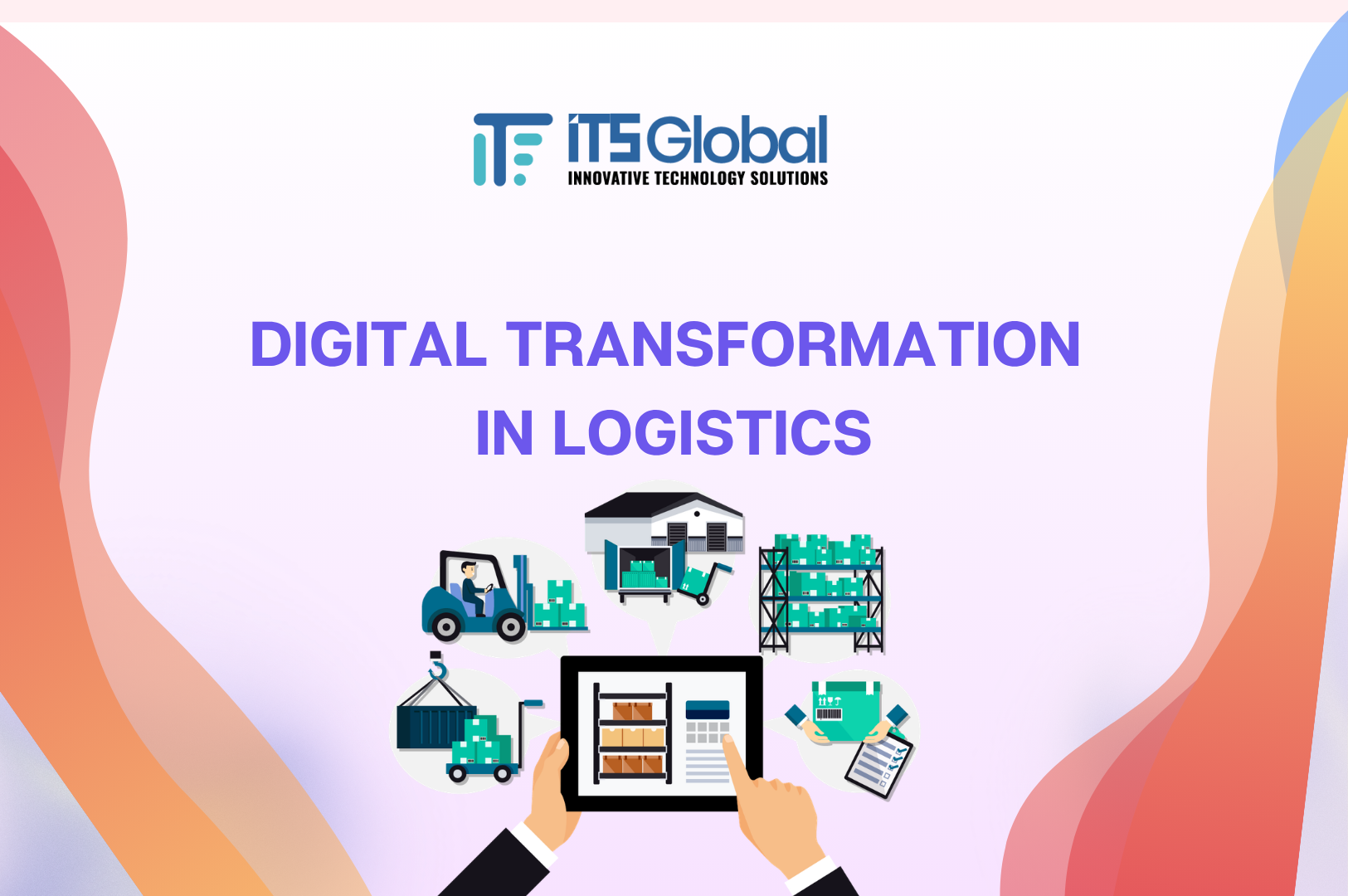
Digital transformation is widely recognized as an inevitable trend in enhancing port operations and logistics development. The application of information technology and digital solutions helps optimize operational processes, reduce costs, and improve the competitiveness of Vietnamese logistics enterprises.
Development of smart warehousing systems
Logistics centers are expected to be developed based on digitized and smart logistics models, enabling faster cargo handling and shorter delivery lead times.
Challenges
Mobilizing investment capital
Logistics development requires substantial capital investment, while many domestic enterprises continue to face financial constraints, limiting their ability to expand and modernize.
Improving regulatory and management frameworks
Further efforts are needed to simplify customs procedures and streamline logistics operations in order to create a more efficient and business-friendly logistics environment.
ITS Global – Digital Transformation Solutions for Logistics and Retail
ITS Global is a pioneer in delivering digital transformation (DX) solutions that help optimize supply chains and enhance operational efficiency. By leveraging advanced technologies such as AI, blockchain, IoT, and cloud computing, ITS Global empowers logistics and retail enterprises to adapt effectively to market volatility and increasing competitive pressure.
ITS Global’s solutions enable businesses to optimize warehouse management, transportation operations, data analytics, and trend forecasting, ensuring they stay ahead in innovation and long-term growth.
Contact us today to explore tailored solutions that can elevate your business to the next level.
Conclusion
Vietnam is facing a significant opportunity to emerge as a regional logistics hub. However, realizing this ambition requires a coherent and long-term strategy. Continued investment in infrastructure, improvement of workforce quality, acceleration of digital transformation, and enhancement of supportive policies for enterprises will be critical in strengthening the competitiveness of Vietnam’s logistics industry.
Partnering with ITS Global means more than adopting optimized technology solutions—it means unlocking a pathway to breakthrough growth.
We are at the forefront of Flutter Development and Hybrid App Development, delivering high-performance, cross-platform applications that scale with your business. Backed by deep expertise in SAP Consulting and ERP implementation, ITS Global also leads digital transformation (DX) initiatives for the logistics and F&B sectors, enabling enterprises to accelerate growth, optimize customer experience, and strengthen their market position.
Contact us today to receive tailored consulting and prepare your business for the next leap forward in the digital transformation era.
#FlutterDevelopment #HybridAppDevelopment #SAPConsulting #LogisticsSolutions #FBSolutions