Why Digital Transformation Is an Inevitable Trend in the Logistics Industry
Logistics plays a critical role in the global supply chain, ensuring that goods move efficiently from manufacturers to consumers. However, with the rapid growth of e-commerce, increasing supply chain complexity, and constant pressure to optimize operational costs, the logistics industry is facing significant challenges.
Digital transformation is reshaping the logistics landscape by enabling companies to streamline operations, improve efficiency, and strengthen their competitive advantage. Technologies such as Artificial Intelligence (AI), the Internet of Things (IoT), blockchain, automation, and big data analytics are increasingly being adopted to build smarter and more responsive supply chains.
In this article, we explore the key digital transformation trends shaping logistics in 2025 and the solutions businesses can adopt to enhance supply chain performance.
Digital Transformation Trends in Logistics for 2025
AI and Machine Learning in Logistics
Artificial Intelligence (AI) and Machine Learning (ML) are transforming the logistics industry by improving supply chain management, reducing operational costs, and increasing the accuracy of demand forecasting. By analyzing large volumes of historical and real-time data, AI systems can identify patterns in market demand, customer behavior, and seasonal fluctuations. This allows logistics companies to make more informed decisions regarding inventory planning and transportation strategies.
AI-powered systems also optimize transportation by analyzing routes, traffic conditions, delivery windows, and fuel costs to determine the most efficient shipping methods. In warehouse operations, AI can automate inventory organization, predict stock shortages, and improve order processing speed, ultimately enhancing productivity and reducing errors.
Internet of Things (IoT) in Supply Chain Management
The Internet of Things (IoT) is enabling real-time monitoring and management of supply chains by connecting sensors, smart devices, and logistics management systems. With IoT-enabled tracking technologies, logistics companies can monitor the location, condition, and status of goods throughout the entire transportation process.
This capability is especially valuable for industries requiring strict environmental control, such as food, pharmaceuticals, and electronics. IoT devices can monitor temperature, humidity, and shock levels to ensure products remain within safe conditions. Additionally, when integrated with Warehouse Management Systems (WMS), IoT allows companies to track inventory levels automatically and optimize warehouse operations, reducing losses caused by theft, damage, or misplacement.
Blockchain for Transparency in Logistics
Blockchain technology provides a secure and transparent digital ledger that records transactions across the supply chain. Because blockchain records cannot be altered once verified, it ensures trust and accountability among all parties involved in logistics operations.
Through blockchain, businesses can reduce fraud risks and improve transparency by maintaining permanent records of product movement and transactions. Smart contracts can automate agreements between partners, executing actions automatically once predefined conditions are met. This significantly reduces administrative processing time while improving operational efficiency. Additionally, blockchain allows businesses to trace products from their origin to the final destination, which is especially important for industries requiring strict traceability.
Automation with Robots and Drones in Logistics
Automation technologies such as warehouse robots, delivery drones, and autonomous vehicles are becoming increasingly common in modern logistics operations. These technologies help companies reduce labor costs, increase operational efficiency, and improve delivery speed.
In warehouses, robots can automatically sort, transport, and organize goods, significantly reducing manual handling and improving order fulfillment accuracy. Delivery drones are being tested in many countries to support faster last-mile delivery, particularly in dense urban areas or remote locations where traditional transportation can be inefficient. Meanwhile, autonomous vehicles are gradually being introduced to support freight transportation, allowing logistics companies to reduce operational costs and optimize delivery timelines.
Digital Solutions to Enhance the Supply Chain
Digital transformation not only improves operational efficiency for logistics companies but also enhances customer experience and overall competitiveness. With ITS Global’s DX Solutions for Logistics and Retail, businesses can leverage advanced technologies to improve supply chain visibility, strengthen forecasting capabilities, and automate operational processes.
Optimizing Warehouse Management with WMS
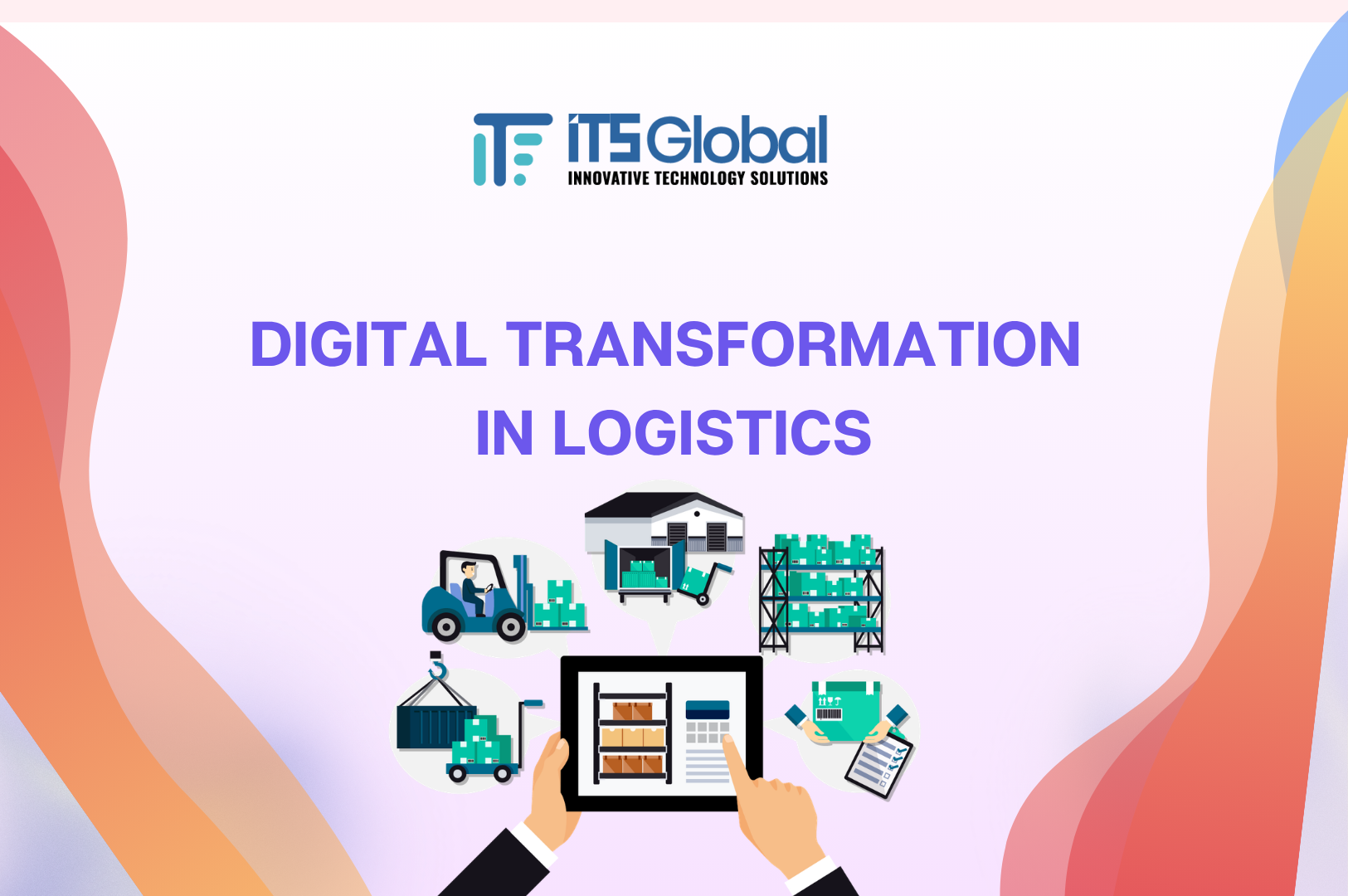
Warehouse Management Systems (WMS) are essential for logistics and retail businesses seeking to streamline warehouse operations. A modern WMS allows companies to efficiently manage inventory storage, order processing, and product movement within warehouses.
ITS Global integrates AI and IoT technologies into warehouse management solutions to enable real-time inventory monitoring and reduce operational errors. Automated inbound and outbound processes help accelerate order fulfillment while improving accuracy. Additionally, advanced data analytics capabilities provide detailed insights into warehouse performance, allowing companies to optimize storage space and improve operational workflows.
Building Smart Transportation Networks
Digitizing transportation systems allows logistics companies to improve delivery efficiency while reducing operational costs. Smart transportation networks rely on advanced technologies to analyze transportation data and continuously optimize delivery routes.
ITS Global provides solutions that apply AI-powered route optimization to identify the most efficient delivery paths based on traffic conditions, historical delivery data, and fuel consumption. Real-time tracking systems allow businesses to monitor vehicle locations and predict delivery times more accurately. These solutions also improve fleet coordination by analyzing logistics demand patterns and automatically adjusting transportation schedules.
Implementing Green Logistics Technologies
Sustainable logistics is becoming an important priority for businesses seeking to reduce environmental impact while maintaining operational efficiency. Green logistics focuses on minimizing carbon emissions and improving energy efficiency throughout the supply chain.
ITS Global develops smart Transportation Management Systems (TMS) that help companies optimize delivery routes and reduce fuel consumption. Blockchain technology can also support sustainability efforts by ensuring transparency throughout the logistics lifecycle, from production to final delivery. Additionally, big data analytics helps companies evaluate transportation performance and identify strategies to minimize environmental impact.
Data Sharing and Supply Chain Collaboration
An efficient supply chain requires strong collaboration between manufacturers, logistics providers, and retailers. Digital platforms enable seamless data sharing between partners, improving coordination and decision-making.
ITS Global offers DX platforms designed to connect supply chain stakeholders through real-time data integration. Blockchain technology ensures secure and transparent transactions, while smart contracts streamline agreements between business partners. Furthermore, open API systems allow companies to easily integrate their logistics platforms with external partners, creating a more flexible and scalable supply chain ecosystem.
Developing a Digitally Skilled Logistics Workforce
Successful digital transformation requires not only advanced technology but also skilled human resources capable of managing digital systems. Logistics companies must invest in training programs that equip employees with the necessary knowledge and technical skills to operate digital platforms effectively.
ITS Global provides specialized DX training programs covering supply chain management, data analytics, and emerging logistics technologies. Online learning platforms enable employees to access training materials conveniently without disrupting daily operations. AI-powered support systems can also assist logistics staff in adapting to new digital tools and optimizing their workflows.
Digital Transformation: The Future of the Logistics Industry
As digital technologies continue to evolve, the logistics industry is entering a new era of transformation. Companies can no longer rely solely on traditional operational models if they want to remain competitive in a rapidly changing market.
With ITS Global’s DX Solutions for Logistics and Retail, businesses can accelerate their digital transformation journey, leverage advanced technologies, and build more efficient and resilient supply chains.
If you are looking for digital transformation solutions for logistics, contact ITS Global today to receive expert consultation and discover how DX can help your business achieve sustainable growth.
Partnering with ITS Global means gaining access to innovative technology solutions and unlocking new opportunities for business expansion. We specialize in Flutter Development and Hybrid App Development, delivering high-performance cross-platform applications. With deep expertise in SAP Consulting and ERP implementation, ITS Global also leads in providing digital transformation (DX) solutions for logistics and F&B industries, helping businesses improve operational efficiency, enhance customer experiences, and strengthen their competitive position.
Contact us today to explore the right solution for your business and prepare for the next stage of growth in the digital era.
#FlutterDevelopment #HybridAppDevelopment #SAPConsulting #LogisticsSolutions #FBSolutions