In the era of digital acceleration, businesses are under increasing pressure to modernize operations, enhance agility, and stay competitive in a rapidly evolving market. SAP ERP has moved beyond its traditional role as a back-office system and now serves as a strategic core for enterprise-wide digital transformation (DX).
Modern ERP systems are no longer limited to data storage and process management. Instead, they function as intelligent, integrated platforms that enable real-time analytics, predictive insights, and cross-functional collaboration. With SAP ERP, organizations can streamline operations, improve visibility, and make faster, data-driven decisions.
To unlock the full potential of SAP ERP, businesses must understand and adopt the latest technology trends shaping the future of enterprise management. In this article, ITS Global highlights three critical SAP ERP trends that are redefining digital transformation strategies.
Trend 1: Cloud-Based ERP
1. The shift from On-Premise to Cloud ERP
The transition from traditional on-premise ERP systems to cloud-based solutions has become a dominant trend across industries. Businesses are increasingly adopting SAP S/4HANA Cloud to overcome the limitations of legacy systems, such as high maintenance costs, limited scalability, and complex upgrade processes. Cloud ERP enables faster deployment, continuous innovation through automatic updates, and easier system integration across global operations
2. Benefits of SAP ERP on the Cloud
Cloud-based SAP ERP significantly reduces capital expenditure by removing the need for physical infrastructure and in-house server management while shifting to a subscription-based model. It provides real-time access to critical business data, enabling faster and more accurate decision-making across departments. Additionally, the cloud offers unmatched flexibility and scalability, allowing businesses to quickly adapt to market changes, expand operations, and support remote or hybrid work environments without disruption
3. Business impact
Migrating to Cloud ERP not only improves cost efficiency but also enhances operational resilience and business continuity. Organizations benefit from improved collaboration across teams and locations, stronger data security standards provided by cloud providers, and faster time-to-market for new initiatives. As digital ecosystems continue to expand, Cloud ERP becomes a foundational element for innovation and long-term growth
Trend 2: AI and Automation in SAP ERP
1. The integration of ERP and AI
Artificial Intelligence (AI) and Machine Learning (ML) are rapidly transforming enterprise operations by embedding intelligence directly into SAP ERP systems. SAP Business AI enables organizations to automate end-to-end processes, from finance and supply chain to customer service, while continuously learning from data patterns. This integration allows businesses to move from reactive decision-making to predictive and even prescriptive strategies based on real-time insights
2. Key benefits of AI in SAP ERP
AI-driven ERP systems improve productivity by automating repetitive and time-consuming tasks such as data entry, invoice processing, and inventory management, thereby freeing up human resources for strategic activities. They enhance accuracy by detecting anomalies, reducing human error, and suggesting optimal actions based on historical and real-time data. Furthermore, AI supports hyper-personalization by analyzing customer behavior and delivering tailored recommendations, improving customer satisfaction and loyalty
3. Business impact
The adoption of AI in SAP ERP leads to smarter operations, faster response times, and improved decision quality. Businesses can anticipate demand fluctuations, optimize supply chains, and proactively address risks. This not only increases efficiency but also creates a competitive advantage by enabling more agile and data-driven business models
Trend 3: Integrating SAP ERP with Comprehensive DX Solutions
1. Why integration is essential
Digital transformation requires more than just implementing an ERP system; it demands a connected ecosystem where ERP integrates seamlessly with emerging technologies such as Internet of Things (IoT), Blockchain, Big Data, and advanced analytics platforms. SAP ERP acts as the digital core, enabling data flow and synchronization across all systems, which is essential for achieving end-to-end visibility and operational excellence
2. Real-world applications of SAP ERP in DX
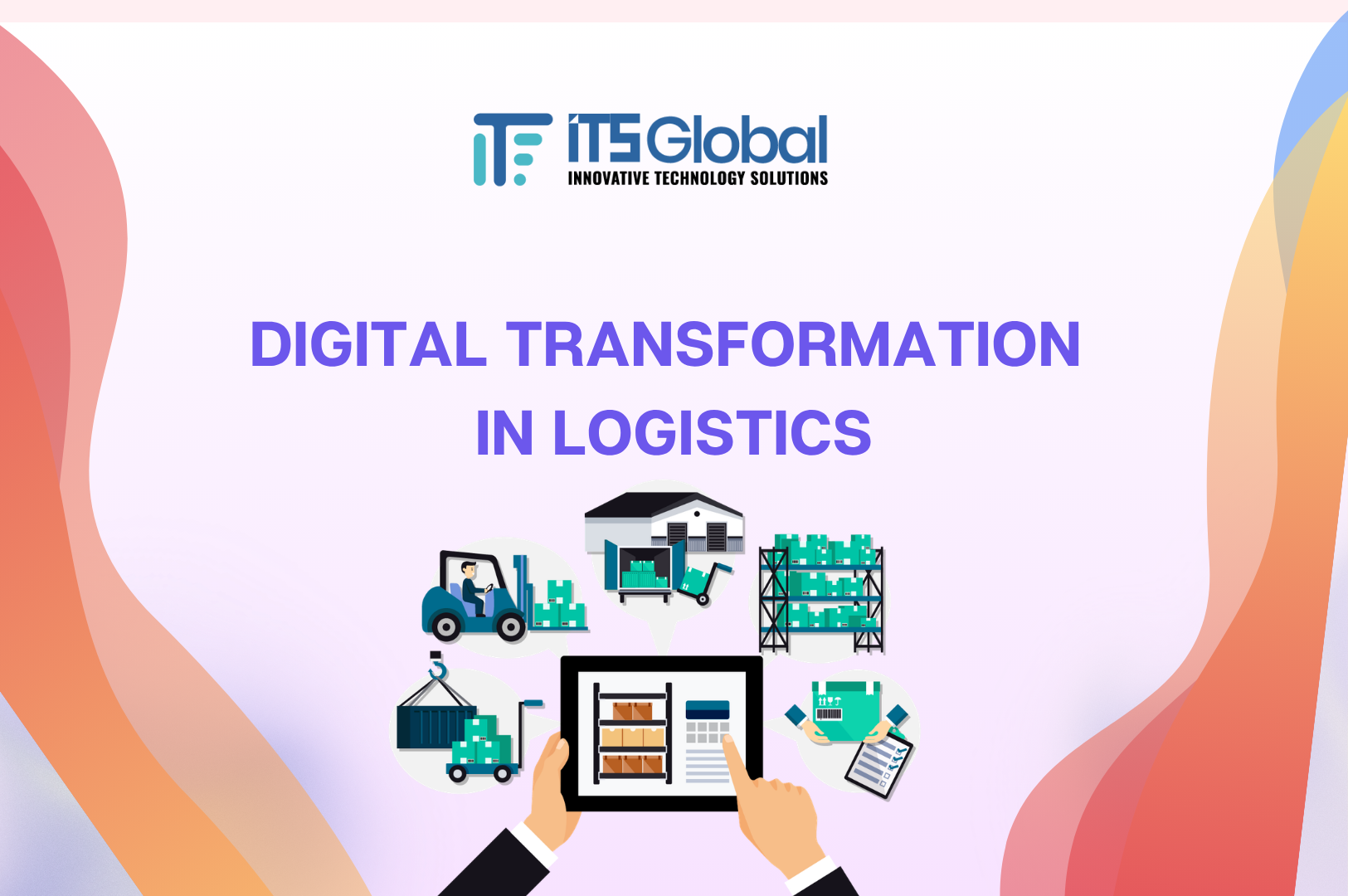
In the manufacturing sector, SAP ERP integrates with IoT devices to monitor equipment performance in real time, enabling predictive maintenance and reducing downtime. In retail, it combines with Big Data analytics to analyze customer behavior, optimize pricing strategies, and deliver personalized shopping experiences. In logistics and supply chain management, Blockchain integration enhances transparency, traceability, and trust across all stakeholders by providing immutable transaction records
3. Business impact
Integrating SAP ERP with DX technologies allows businesses to break down data silos, streamline workflows, and improve overall efficiency. It enhances transparency across operations, strengthens data governance and security, and enables better collaboration with partners and customers. Ultimately, this integration empowers organizations to innovate faster and maintain a strong competitive position in the digital marketplace
Conclusion
Digital transformation with SAP ERP is no longer a strategic option but a business imperative in today’s fast-changing environment. Companies that fail to modernize risk falling behind competitors who leverage advanced technologies to drive efficiency and innovation.
By adopting Cloud ERP, leveraging AI and automation, and integrating ERP with a broader digital ecosystem, businesses can unlock new levels of performance and agility. These trends not only optimize internal operations but also create new opportunities for growth and customer engagement.
ITS Global is committed to supporting enterprises throughout their SAP ERP journey, from implementation to optimization and continuous innovation. With deep expertise and a customer-centric approach, ITS Global helps businesses achieve successful digital transformation and sustainable growth. Contact us today to explore how SAP ERP can transform your business.