Vietnam’s logistics industry achieved positive results in 2024, becoming one of the key sectors playing a crucial role in the national supply chain. According to the Ministry of Industry and Trade, the industry’s growth rate reached 14–16% per year, contributing approximately 4–5% to GDP. Vietnam is also ranked 4th in Southeast Asia and among the top 10 emerging logistics markets globally.
1. Key Highlights of the Logistics Industry in 2024
In 2024, Vietnam’s seaport and logistics sector recorded several notable highlights.
The total cargo throughput of Vietnam’s seaport system exceeded 570 million tons, marking a 14% increase compared to 2023. Notably, Quang Ninh reached a record of nearly 150 million tons of cargo, up 7.8% year-on-year.
Many infrastructure improvement projects for seaports and transportation have been implemented to enhance regional connectivity. The optimization of berths, increased cargo handling productivity, and the application of modern technologies have contributed to improving the quality of port services.
Approximately 65% of logistics enterprises in Vietnam have been strengthening the application of technologies such as IoT, AI, and blockchain in supply chain management. The adoption of these technologies helps improve operational efficiency, reduce costs, and enhance service quality.
These achievements reflect the strong development of Vietnam’s seaport and logistics sector in 2024, laying a solid foundation for the coming years.
2. Development Trends in 2025
In 2025, Vietnam’s logistics industry is expected to continue its strong growth, driven by several key trends.
According to the draft Strategy for the Development of Vietnam’s Logistics Services for the 2025–2035 period, with a vision to 2045, the industry aims to achieve an average annual growth rate of 12% to 15%, with its contribution to GDP reaching 5% to 7%.
This growth is supported by investment flows from both the private sector and the government, along with efforts to optimize operating costs and improve productivity through the application of technology and process improvements.
Under increasing pressure for environmental protection and sustainable development, green logistics is becoming an inevitable trend in Vietnam. Logistics enterprises are focusing on using transportation methods that generate lower emissions, such as electric vehicles powered by clean energy, and applying management measures to reduce fuel consumption.
The development of green logistics not only helps minimize negative environmental impacts but also enhances competitiveness and ensures compliance with international emission regulations.
Vietnam has signed and participated in many Free Trade Agreements (FTAs), creating favorable conditions for domestic enterprises to integrate more deeply into global supply chains. International cooperation not only expands export markets but also promotes technology transfer and improves the quality of logistics services.
In particular, the development of green logistics toward sustainable supply chains for agricultural and pharmaceutical import-export products is being promoted through cooperation between Vietnam and countries such as Australia.
These trends show that Vietnam’s logistics industry is moving toward a more sustainable and efficient future, contributing significantly to economic growth and enhancing the country’s position in the international arena.
3. How Digital Transformation Has Changed the Logistics Industry
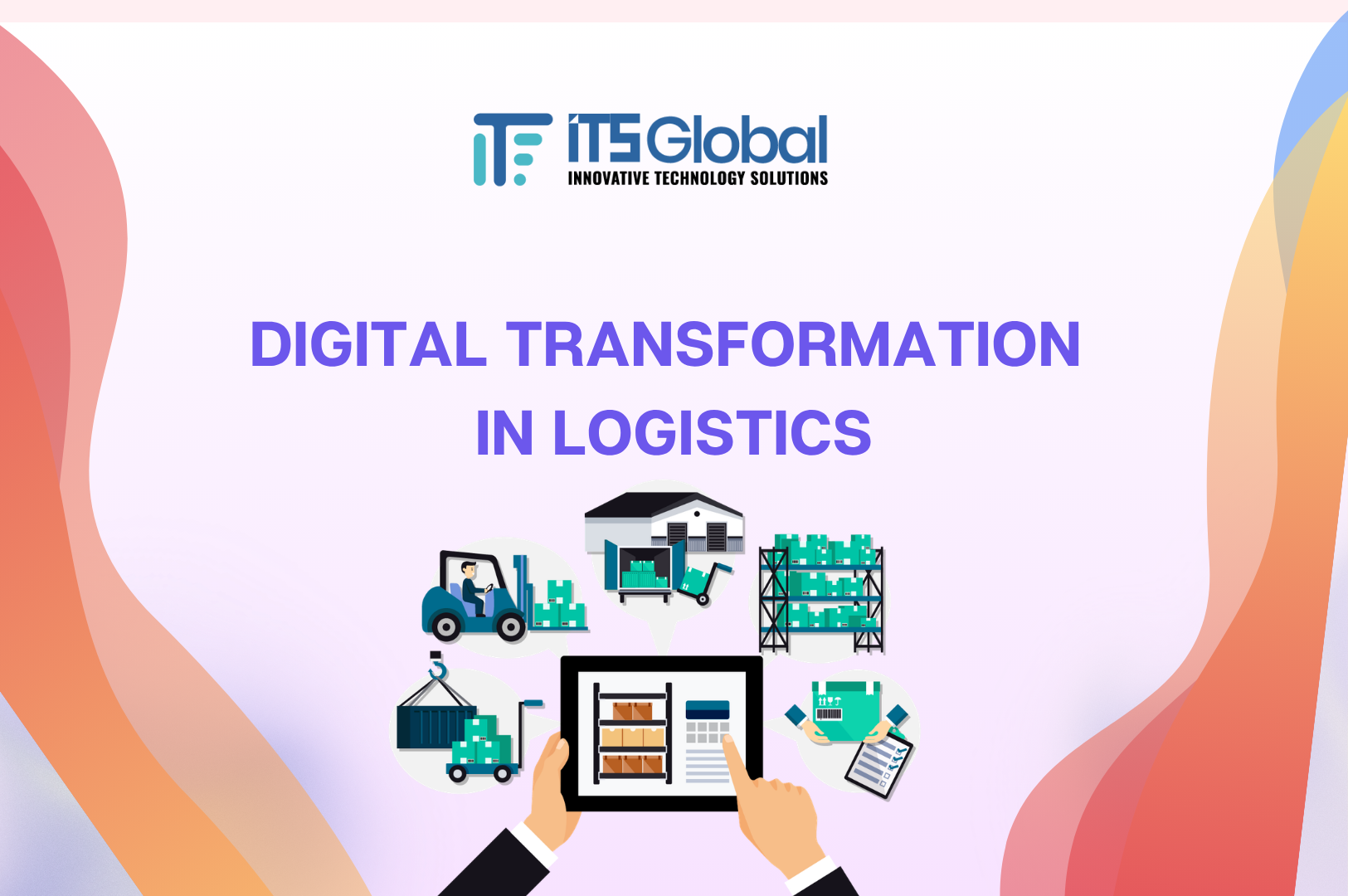
Digital transformation has optimized operational processes in the logistics industry.
Artificial Intelligence (AI) is a powerful tool for processing and analyzing massive amounts of data. With its learning and predictive capabilities, AI helps optimize transportation routes by reducing travel time and saving fuel through selecting the shortest or least congested routes. It also supports demand forecasting by analyzing consumption trends and seasonal demand, enabling businesses to plan inventory and distribution more effectively. In addition, AI helps detect and minimize risks by identifying issues in the supply chain, from transportation disruptions to sudden price fluctuations.
Blockchain brings high transparency and security to supply chain management. All information related to product origin, source, and status is stored on a blockchain ledger, making it immutable and tamper-proof. Smart contracts enable automated transactions between parties without intermediaries, reducing costs and legal risks. At the same time, blockchain enhances trust, allowing customers and partners to easily access transparent product information.
The Internet of Things (IoT) is creating a smart connected network in logistics operations. IoT sensors installed on vehicles and goods provide real-time data on location, temperature, humidity, and product condition. This allows businesses to respond quickly to incidents such as damaged goods, losses, or delivery delays. IoT also supports predictive maintenance by monitoring vehicle conditions and determining when maintenance is needed, thereby preventing operational disruptions.
Enterprise Resource Planning (ERP) systems integrate all activities within the supply chain, from warehouse management to transportation. ERP helps manage inventory efficiently by automating replenishment processes, minimizing shortages or overstocking. It also enables tracking of order status from dispatch to final delivery, while providing detailed reports on operational performance to support faster and more accurate decision-making.
Digital transformation not only changes operational methods but also reshapes the entire logistics industry, creating significant opportunities for Vietnamese enterprises to compete in the global market.
In Vietnam, the digital transformation process in logistics is being strongly accelerated. According to the Vietnam Logistics Business Association, the industry has maintained a growth rate of around 14%–16% in recent years, with a market size of approximately 40–42 billion USD annually. However, most logistics enterprises in Vietnam are small and medium-sized, with 90% having capital under 10 billion VND, which poses financial challenges for investing in digital transformation.
ITS Global
ITS Global is a pioneering company in providing powerful digital transformation (DX) solutions aimed at optimizing supply chains and improving operational efficiency. With the goal of helping logistics and retail businesses adapt and grow in an increasingly dynamic market, ITS Global delivers advanced technologies and integrated solutions such as AI, blockchain, IoT, and cloud computing.
By focusing on operational improvements, ITS Global not only enhances productivity but also helps businesses fully unlock their potential. Its solutions are designed to meet diverse needs, from optimizing warehouse management and transportation to data analysis and trend forecasting, ensuring that customers stay ahead in the race of technology and innovation.
Contact us today to explore innovative solutions that can elevate your business to the next level in the logistics industry.
Conclusion
Vietnam’s logistics industry is on a strong growth trajectory thanks to the combination of solid infrastructure development and rapid digital transformation. The year 2025 is particularly promising with significant progress in green logistics and smart logistics.
As a result, Vietnamese logistics enterprises will continue to play an important role in global supply chains and achieve remarkable accomplishments in the future.