In the context of a global economy undergoing profound transformation driven by digital technologies, Japan’s logistics industry is also standing at the threshold of a major revolution. As a country characterized by rapid population aging and a severe labor shortage, Japan is compelled to identify breakthrough solutions to maintain its position as one of the most efficient logistics hubs in Asia. The Fourth Industrial Revolution—with technologies such as IoT, AI, automation, and big data—has emerged as the answer.
1. Japanese Logistics at a Crossroads of Challenges and Opportunities
Unlike many other countries, Japan enters the Fourth Industrial Revolution burdened with a series of internal challenges: a sharply declining workforce, rising logistics costs, and increasingly complex consumer demand in the post-pandemic era. However, rather than reacting passively, Japanese enterprises have quickly recognized this technological revolution as an opportunity to rebuild and restructure their logistics models.
A notable example is the launch of strategic logistics projects such as the Conveyor Belt Road system—an automated freight transport corridor extending over 500 kilometers and connecting Tokyo and Osaka, scheduled to begin operations in 2027. Designed to replace up to 25,000 trucks per day and operate continuously 24/7, the project addresses labor shortages while significantly reducing greenhouse gas emissions. This initiative exemplifies how Japan is leveraging Industry 4.0 to reshape its logistics sector.
Industry 4.0 Technologies as a Lever for Supply Chain Restructuring
1. Automation and intelligent transportation systems
The deployment of automated transport systems such as the Autoflow Road demonstrates Japan’s long-term vision. These routes utilize unmanned vehicles operating underground, enabling uninterrupted 24/7 logistics flows without interfering with public transportation systems. Logistics companies can leverage this infrastructure to shorten delivery times, reduce operational risks, and optimize costs.
2. IoT and AI in warehousing and distribution operations
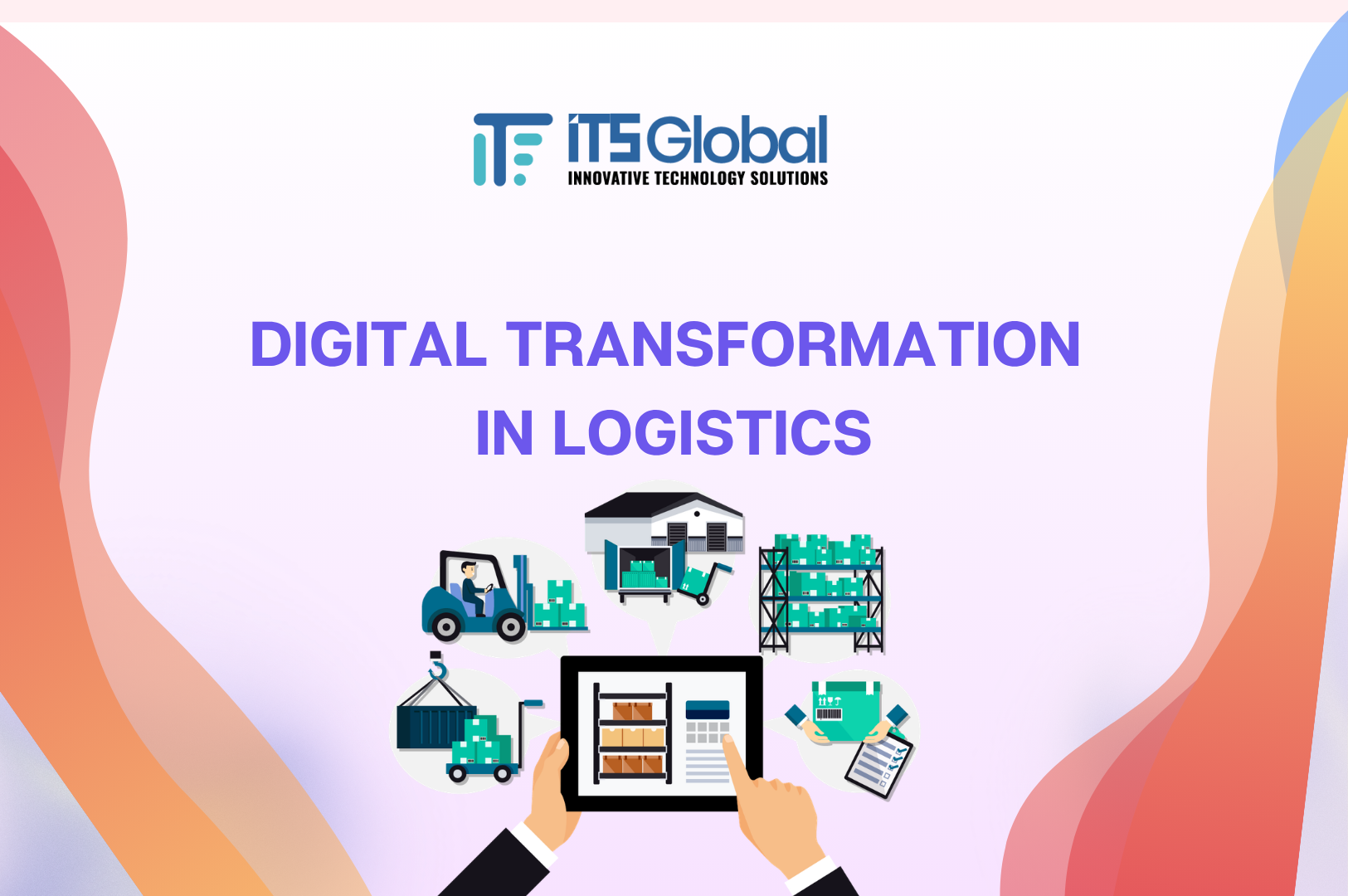
The application of IoT allows enterprises to track goods in real time, monitor container conditions, control cargo temperature, and detect delays, while AI supports demand forecasting, optimal route planning, and automated order allocation. The result is a reduction in errors, faster processing speeds, and improved customer service—critical factors in the highly competitive post-COVID-19 market environment.
3. Big Data and Supply Chain Optimization
The ability to collect and analyze data across the entire supply chain enables enterprises to identify consumer trends and adjust procurement, warehousing, and transportation plans accordingly. This capability is particularly valuable for logistics companies serving the retail and e-commerce sectors, where demand can fluctuate on an hourly basis.
How Are Japanese Enterprises Seizing These Opportunities?
Many logistics companies in Japan have been transforming themselves into technology-driven organizations. Rather than merely operating supply chains, they are developing digital logistics platforms (e-Logistics) and offering services such as warehouse management, transportation, and data analytics in the form of SaaS—commonly referred to as Logistics as a Service.
In addition, collaboration between large corporations and technology startups has become increasingly prominent, aiming to accelerate digital transformation and shorten pilot and deployment cycles. This trend opens up opportunities for international cooperation, particularly with emerging markets such as Vietnam—where labor costs remain low, digitalization is progressing rapidly, and demand for high-quality logistics services is growing steadily.
Challenges Remain—but They Can Be Overcome
Naturally, not all enterprises can easily enter the Industry 4.0 era. Major barriers include:
- High investment costs for automation systems and advanced technological infrastructure.
- Shortages of IT engineers and data specialists.
- Difficulties in internal cultural transformation, shifting from traditional models to digital-driven operations.
- Legal regulations and operational standards that have yet to keep pace with emerging technologies.
Nevertheless, these challenges can be addressed gradually through long-term strategies, international collaboration, and government support.
Strategic Recommendation: Making Digital Transformation the Core Pillar
For Japanese logistics enterprises seeking to capitalize on the opportunities presented by Industry 4.0, several strategic recommendations can be made:
- Prioritize digital transformation in areas that directly impact costs and productivity, such as transportation and warehousing.
- Partner with technology companies to leverage AI, IoT, and automation capabilities rather than developing them independently.
- Invest in digital workforce training to shift mindsets and enhance adaptability to new operational models.
Proactively pilot and evaluate smart logistics models on a small scale before expanding them more broadly.
ITS Global’s Solutions: Partnering with Japanese Enterprises in Logistics and Retail Digital Transformation
With extensive experience in delivering digital transformation projects for the Japanese market, ITS Global currently offers the “DX Solutions for Logistics and Retail” package, aimed at enhancing supply chain operational efficiency while improving customer experience across the entire journey—from delivery to after-sales service.
Key Value Propositions Delivered by ITS Global
- Supply chain optimization through integrated order management, warehouse management, and delivery systems, enabling enterprises to monitor, allocate, and optimize operations in real time.
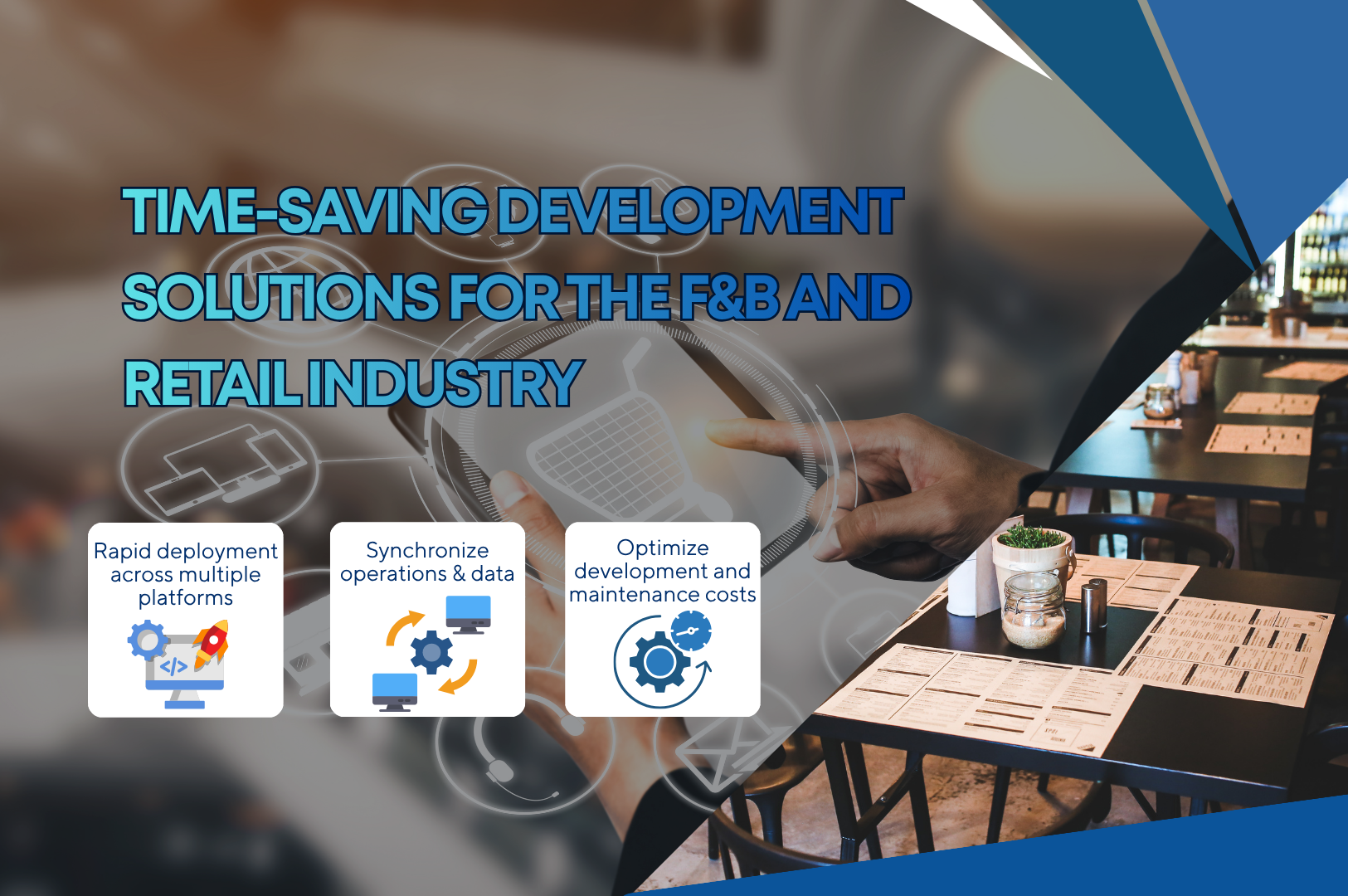
- Application of Flutter and Hybrid technologies to develop delivery management, tracking, and customer support platforms, allowing rapid multi-platform deployment (iOS, Android, Web) with optimized costs.
- Big Data analytics to support demand forecasting, inventory coordination, and strategic decision-making.
- User-friendly UX design that increases user engagement and reduces operational errors.
This solution is not only well-suited for traditional logistics companies seeking to modernize their operational models, but also highly effective for retail enterprises with store chains—where seamless coordination between warehousing, delivery, and customer service is mission-critical.
Conclusion: Logistics 4.0 Is No Longer a Trend—It Is an Inevitability
The Fourth Industrial Revolution represents not merely a technological advancement, but a strategic opportunity to restructure Japan’s logistics industry. Enterprises that can swiftly adapt to this shift, invest with clear focus, and create added value through technology will emerge as market leaders in the next phase.
ITS Global is ready to accompany Japanese enterprises on this journey—delivering lean, flexible, and highly customizable technology solutions tailored to the specific characteristics of each industry and organizational scale.
Partnering with ITS Global means more than gaining access to optimized technology solutions—it opens the door to breakthrough growth. We are pioneers in Flutter Development and Hybrid App Development, delivering high-performance multi-platform applications. With strong expertise in SAP Consulting and ERP implementation, ITS Global also leads in digital transformation (DX) solutions for logistics and F&B, empowering businesses to accelerate growth, optimize customer experience, and strengthen their market position.
Contact us today to receive tailored consulting and prepare for your next leap forward in the digital transformation era.
#FlutterDevelopment #HybridAppDevelopment #SAPConsulting #LogisticsSolutions #FBSolutions