1. Growth Potential of Vietnam’s F&B Market
Vietnam’s food and beverage (F&B) industry shows strong growth potential, driven by the following key factors
A large and expanding consumer market
With a population of over 100 million—predominantly young—Vietnam has robust demand for food and beverage consumption. F&B spending accounts for approximately 35% of total household expenditure, highlighting the sector’s vital role in daily life. The growing habit of dining out and the increasing popularity of convenience services such as online food delivery have created significant opportunities for new market entrants.
Stable GDP growth
Vietnam is among Southeast Asia’s fastest-growing and most stable economies, with an average annual GDP growth rate of 6–7%. Rising incomes are enabling consumers to spend more on food and beverages, particularly premium and higher-quality products.
Rising demand for imported products
Vietnamese consumers are increasingly favoring imported goods, especially organic foods, non-alcoholic beverages, and premium snacks. This trend presents strong opportunities for international brands to enter the market with products tailored to local preferences.
Rapid urbanization
Accelerated urbanization in major cities such as Hanoi, Ho Chi Minh City, and Da Nang has significantly reshaped consumption behavior. Urban consumers tend to dine out more frequently and rely heavily on restaurants, cafés, and convenience store chains.
Investment-friendly government policies
The Vietnamese government has introduced various incentives to encourage investment in the F&B sector, including tax reductions and improvements to the business environment. Free trade agreements such as the EVFTA (EU–Vietnam Free Trade Agreement) further reduce import tariffs, creating favorable conditions for foreign enterprises to invest and expand in Vietnam.
2. Digital Transformation in the F&B Industry
2.1. Many F&B companies in Vietnam and across Southeast Asia are accelerating the adoption of digital technologies to improve operational efficiency and enhance customer experience.
Automated ordering systems
AI-powered solutions and self-service kiosks have significantly reduced waiting times while enabling greater order personalization. For example, McDonald’s Vietnam has successfully implemented self-service kiosks, resulting in higher average revenue per customer.
Electronic and cashless payments
Digital payment solutions such as MoMo, ZaloPay, and contactless credit cards have become standard across major chains including Highlands Coffee and KFC. These methods not only improve convenience but also enhance transaction security—particularly relevant in the post–COVID-19 environment.
Supply chain management (SCM)
The adoption of intelligent supply chain management software allows F&B businesses to better control raw materials, reduce inventory costs, and improve demand forecasting accuracy. Enterprise platforms such as SAP and Oracle are increasingly being deployed by Vietnamese F&B companies.
Opportunities for Foreign Investors
Equity investment in technology solution providers
Startups offering POS (Point of Sale) systems, CRM solutions, and customer data analytics platforms are attracting strong interest from venture capital funds.
Mergers, acquisitions, or strategic partnerships with high-growth F&B chains
F&B operators that have already integrated digital technologies into their operations typically demonstrate strong scalability and long-term growth potential.
2. Growth of Online Food Delivery Services
2.1. Vietnam’s online food delivery market is expanding rapidly, driven by the widespread adoption of platforms such as GrabFood and ShopeeFood. Key growth drivers include:
Rising smartphone penetration: Smartphone usage in Vietnam exceeded 72% in 2024 (Statista), providing a solid foundation for the expansion of food delivery applications.
Shifts in consumer behavior: Consumers increasingly value convenience, especially in major urban centers like Ho Chi Minh City and Hanoi, where traffic congestion makes food delivery an attractive solution.
Aggressive promotions and free delivery campaigns: Leading platforms frequently launch marketing campaigns, discounts, and free-shipping offers to retain and expand their user base.
2.2. Opportunities for Foreign Investors
Investment in food delivery platforms: Intense competition among platforms is driving strong demand for capital to enhance technology capabilities and expand market share.
Provision of technology solutions for the delivery ecosystem: This includes order management systems, delivery route optimization, and AI-powered demand forecasting tools.
Strategic partnerships with F&B chains to optimize logistics operation: For example, developing centralized or cloud kitchen models in strategic locations can reduce operating costs and significantly improve delivery speed.
3. Long-Term Trends and Growth Potential
- Big Data Analytics Big Data has become an indispensable tool in the F&B industry, particularly as businesses increasingly rely on data-driven insights to support strategic decision-making. Key applications include:
Understanding consumer behavior
F&B companies leverage data from POS (Point of Sale) systems, food delivery platforms, and customer surveys to analyze consumer preferences, purchasing patterns, and menu choices. For example, restaurant chains may identify higher dessert orders during weekends, enabling them to intensify targeted promotions and advertising during these peak periods.
Forecasting market trends
Through Big Data analytics, businesses can anticipate emerging trends such as rising demand for organic foods, healthier meal options, and the growing consumption of non-alcoholic beverages. These insights allow companies to proactively adapt their product offerings and services to align with evolving market needs.
Optimizing marketing strategies
Advanced analytics platforms enable highly personalized marketing campaigns by targeting specific customer segments based on demographics, purchase history, and individual preferences. This approach improves conversion rates while strengthening customer loyalty.
- Integration of IoT (Internet of Things) Technologies: IoT is driving a transformative shift in the F&B industry by enhancing operational efficiency and improving product quality:
Real-time monitoring of ingredient quality
Smart refrigeration systems, temperature sensors, and humidity monitors allow real-time tracking of food storage conditions. When thresholds are exceeded, automated alerts are triggered, enabling immediate corrective actions to ensure food quality and safety.
Supply chain optimization
IoT technologies enable end-to-end tracking of ingredients from suppliers to the consumer’s table. This enhances transparency while minimizing risks such as spoilage or expired inventory.
Enhanced customer experience
Forward-looking restaurants are deploying IoT-enabled automation, such as interactive tables or touchscreens that allow customers to place orders and complete payments independently, reducing wait times and improving service efficiency.
Investors may consider these high-potential areas to capture long-term value from the F&B sector amid ongoing digital transformation.
4. Conclusion
Vietnam’s F&B industry is entering a new phase of digital transformation with significant growth potential. The integration of technology and sustainability will be critical for businesses not only to remain competitive but also to generate long-term value. Both investors and enterprises must act swiftly to embrace these trends in order to lead the market in an increasingly competitive landscape.
Partnering with ITS Global means more than adopting optimized technology solutions—it means unlocking a pathway to breakthrough growth.
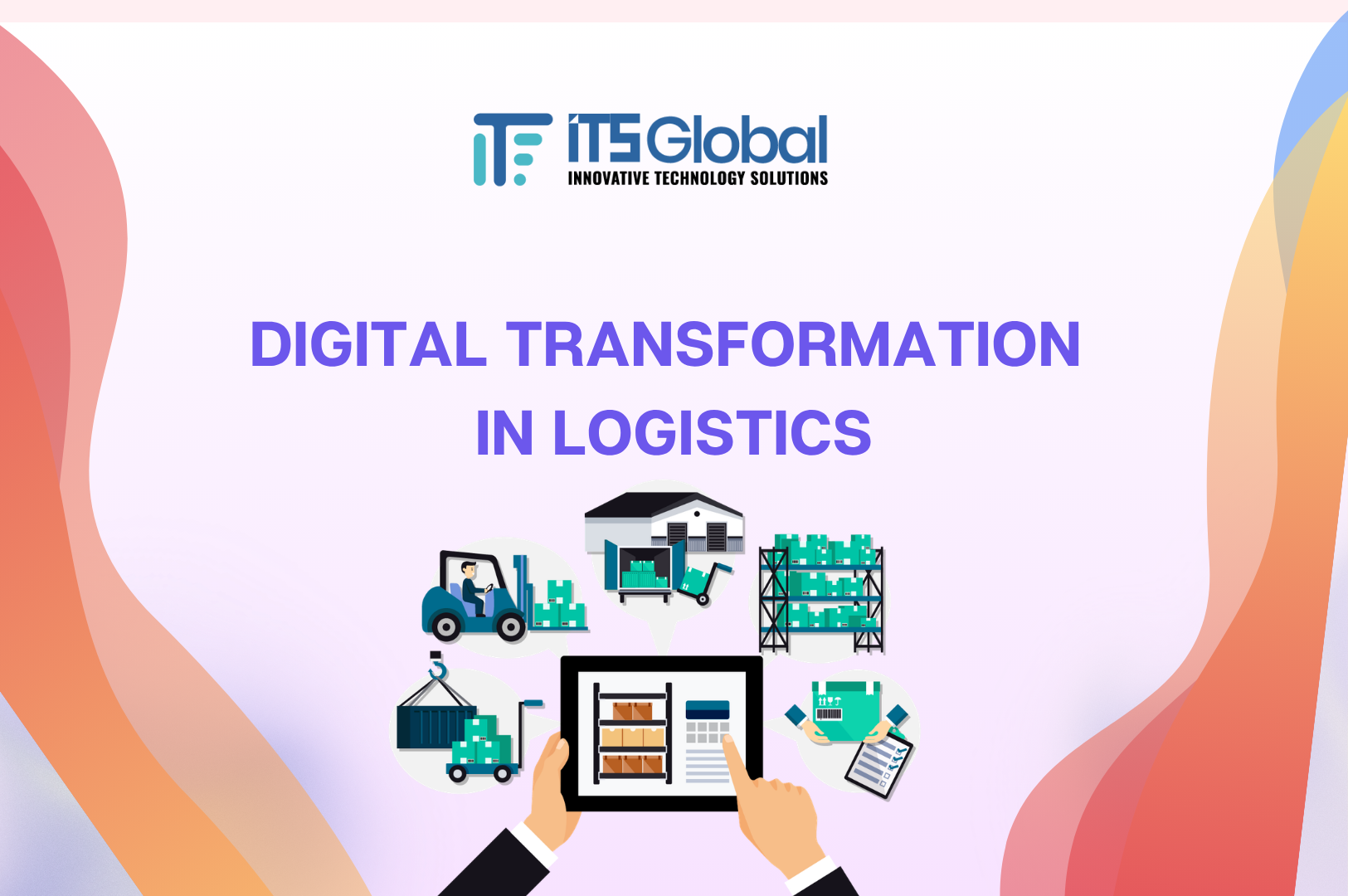
We are at the forefront of Flutter Development and Hybrid App Development, delivering high-performance, cross-platform applications that scale with your business. Backed by deep expertise in SAP Consulting and ERP implementation, ITS Global also leads digital transformation (DX) initiatives for the logistics and F&B sectors, enabling enterprises to accelerate growth, optimize customer experience, and strengthen their market position.
Contact us today to receive tailored consulting and prepare your business for the next leap forward in the digital transformation era.
#FlutterDevelopment #HybridAppDevelopment #SAPConsulting #LogisticsSolutions #FBSolutions