How to Integrate SAP with External Applications for Business Process Optimization

I. Introduction

In the era of rapid digital transformation, businesses are constantly seeking solutions to optimize processes, improve productivity, and strengthen their competitive advantage. One of the most critical components of this strategy is integrating SAP with other applications.

SAP, recognized as one of the world’s leading Enterprise Resource Planning (ERP) systems, serves as the core platform for managing finance, human resources, supply chain operations, and overall business performance. However, to fully unlock SAP’s potential, organizations must integrate it with other systems such as CRM platforms, Robotic Process Automation (RPA), Artificial Intelligence (AI), and data analytics tools.

So, how can businesses implement SAP integration effectively while ensuring system stability and data security?
Integrate SAP

II. Why Is SAP Integration with Other Applications Necessary?

A standalone SAP system can efficiently manage enterprise data. However, when operating in isolation, it may not fully meet the demands of modern businesses. Data silos can emerge, operational workflows become fragmented, and interdepartmental collaboration may suffer. This often leads to delayed decision-making, increased operational costs, and diminished customer experience.

For example, a company may use SAP for financial management while relying on a separate CRM system to manage customer relationships. Without integration, synchronizing data between departments becomes complex and time-consuming. Employees may need to manually input data, increasing the risk of errors.

By integrating SAP with CRM systems, customer data can be synchronized in real time. This enables sales teams to access accurate, up-to-date information and develop more effective engagement strategies.

III. Effective SAP Integration Methods

1. API-Based Integration

Application Programming Interfaces (APIs) are among the most common and flexible methods for integrating SAP with external applications. SAP provides a wide range of APIs that facilitate seamless data exchange with platforms such as Salesforce, HubSpot, and eCommerce systems.

Through API integration, businesses can automate workflows, reduce manual intervention, and significantly enhance operational efficiency.

2. Middleware Integration

Middleware acts as an intermediary layer between SAP and other systems, enabling efficient data transformation and synchronization. Solutions such as SAP Process Orchestration (SAP PO) and MuleSoft automate data transmission without compromising system performance.

This approach is particularly suitable for large enterprises operating multiple ERP systems that require a centralized integration platform to ensure consistent data flow.

3. Integration with Robotic Process Automation (RPA)

Robotic Process Automation (RPA) is a powerful technology for automating repetitive tasks such as data entry, invoice processing, and data validation. Tools like UiPath and Automation Anywhere can be seamlessly integrated with SAP to reduce human error and save valuable time.

By leveraging RPA in SAP environments, organizations can streamline manual operations and improve overall productivity.

SAP Integration with Artificial Intelligence and Data Analytics

1. Connecting SAP with AI to Optimize Business Processes

Integrating SAP with Artificial Intelligence (AI) enables organizations to extract greater value from enterprise data and enhance predictive capabilities. SAP has introduced solutions such as SAP Leonardo, an AI-powered innovation platform that helps businesses analyze customer behavior, optimize supply chains, and improve manufacturing processes.

When combined with AI, SAP systems can automatically generate insights and recommendations, empowering faster and more informed decision-making.

2. Leveraging Data Analytics in SAP

In the age of Big Data, analytics tools such as Power BI and Tableau play a crucial role in data visualization and strategic analysis. When integrated with SAP, these platforms allow businesses to monitor consumer trends, analyze sales performance, and forecast product demand.

This data-driven approach helps optimize inventory management, reduce excess stock, and improve operational efficiency.

IV. Challenges and Solutions in SAP Integration

1. High Implementation Costs and Skilled Expertise Requirements

One of the primary challenges of SAP integration is the high implementation cost, especially for small and medium-sized enterprises (SMEs). Integration projects require not only technological investment but also experienced technical specialists.

To address this challenge, businesses can collaborate with certified SAP implementation partners and adopt a phased integration strategy to reduce financial pressure and implementation risks.

2. Ensuring Data Security and System Stability

Expanding system connectivity increases potential cybersecurity risks, particularly when data is exchanged across multiple platforms. Organizations must implement robust security measures, including:

  • End-to-end data encryption
  • Multi-factor authentication (MFA)
  • Regular security audits and system monitoring

These safeguards help protect sensitive enterprise data and ensure long-term system reliability.

V. Conclusion

Integrating SAP with other applications is no longer just a trend—it is a strategic necessity for businesses seeking operational excellence and sustainable growth. From process optimization and enhanced customer experience to intelligent data analytics, SAP integration enables organizations to maximize resources, reduce errors, and improve overall performance.

However, successful integration requires selecting the appropriate method, carefully managing implementation costs, and maintaining strict data security standards.

Looking ahead, the convergence of SAP with AI, RPA, and advanced analytics will continue to reshape enterprise operations. Investing in a robust SAP integration strategy today will not only help businesses remain competitive but also establish a strong leadership position in their industry.

2026-3-3

New Post

FLUTTER-New Trends in Retail Application Development

1. What is Flutter in the context of modern retail? In the context of modern retail, Flutter should not be viewed merely as a “write once, run on multiple platforms” framework. While this understanding is technically correct, it does not…

2026-4-13

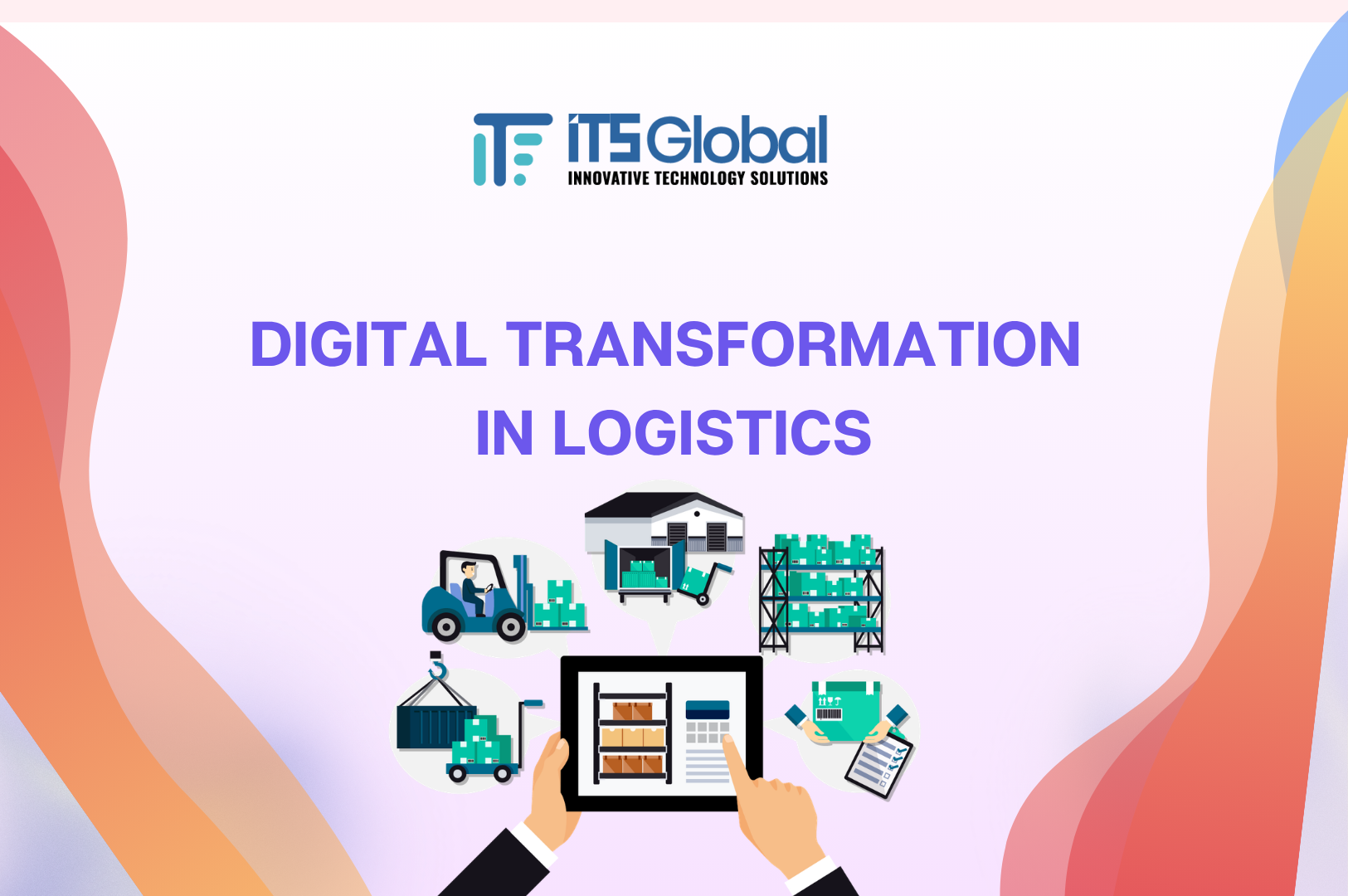
Digital Transformation (DX) in Logistics Optimizing Warehouse Management and Transportation

1. Introduction In the context of a rapidly evolving global economy, logistics and warehouse management have become critical components of an efficient and resilient supply chain. Businesses today are under increasing pressure to handle higher delivery volumes, address ongoing labor…

2026-4-1

Apply AI to Transform Smart Operations

1. AI is not for “cost cutting,” but for long-term productivity growth One of the most common misconceptions when businesses approach AI-driven automation is viewing it as a tool to reduce labor costs in the short term. While this perspective…

2026-3-31

Vietnam’s F&B Industry Opportunities for Foreign Investors

The Food & Beverage (F&B) industry in Vietnam is experiencing a strong growth phase, creating numerous opportunities for foreign investors in 2025. Below are the latest updates and emerging trends: 1. Revenue Growth Vietnam’s Food & Beverage (F&B) industry has…

2026-3-27

Overview of the Logistics Industry in 2024 and Development Trends for 2025 in the Vietnamese Market

Vietnam’s logistics industry achieved positive results in 2024, becoming one of the key sectors playing a crucial role in the national supply chain. According to the Ministry of Industry and Trade, the industry’s growth rate reached 14–16% per year, contributing…

2026-3-25

Subscribe to Our Newsletter

The ITS Global Newsletter keeps you updated on our activities, services, upcoming events you can participate in, learning resources, and opportunities that may be of interest to you.

    Related Articles

    View More

    FLUTTER-New Trends in Retail Application Development

    1. What is Flutter in the context of modern retail? In the context of modern retail, Flutter should not be viewed merely as a “write once, run on multiple platforms” framework. While this understanding is technically correct, it does not fully capture the value Flutter brings when deployed in large-scale retail systems. In practice, Flutter […]
    2026-4-13 Learn More

    Digital Transformation (DX) in Logistics Optimizing Warehouse Management and Transportation

    1. Introduction In the context of a rapidly evolving global economy, logistics and warehouse management have become critical components of an efficient and resilient supply chain. Businesses today are under increasing pressure to handle higher delivery volumes, address ongoing labor shortages, and maintain a high level of operational accuracy while keeping costs under control. Traditional […]
    2026-4-1 Learn More

    Apply AI to Transform Smart Operations

    1. AI is not for “cost cutting,” but for long-term productivity growth One of the most common misconceptions when businesses approach AI-driven automation is viewing it as a tool to reduce labor costs in the short term. While this perspective is not entirely wrong, it is incomplete and can easily lead to failure if it […]
    2026-3-31 Learn More

    Vietnam’s F&B Industry Opportunities for Foreign Investors

    The Food & Beverage (F&B) industry in Vietnam is experiencing a strong growth phase, creating numerous opportunities for foreign investors in 2025. Below are the latest updates and emerging trends: 1. Revenue Growth Vietnam’s Food & Beverage (F&B) industry has continued to record significant growth in recent years. According to a report by Euromonitor, the […]
    2026-3-27 Learn More

    Overview of the Logistics Industry in 2024 and Development Trends for 2025 in the Vietnamese Market

    Vietnam’s logistics industry achieved positive results in 2024, becoming one of the key sectors playing a crucial role in the national supply chain. According to the Ministry of Industry and Trade, the industry’s growth rate reached 14–16% per year, contributing approximately 4–5% to GDP. Vietnam is also ranked 4th in Southeast Asia and among the […]
    2026-3-25 Learn More

    IoT and Smart Devices the Platform Connecting the Digital Era

    1 What is IoT and Why It Becomes the Foundation of the Digital Era The Internet of Things (IoT) refers to a network of physical devices connected to the Internet, capable of collecting, exchanging, and processing data in real time. These devices can include sensors, machinery, household appliances, or urban systems. What sets IoT apart […]
    2026-3-19 Learn More

    Accelerate Your Digital Transformation with SAP ERP

    In the era of digital acceleration, businesses are under increasing pressure to modernize operations, enhance agility, and stay competitive in a rapidly evolving market. SAP ERP has moved beyond its traditional role as a back-office system and now serves as a strategic core for enterprise-wide digital transformation (DX). Modern ERP systems are no longer limited […]
    2026-3-18 Learn More

    Key Digital Transformation Trends in Logistics and Supply Chain Solutions for 2025

    Why Digital Transformation Is an Inevitable Trend in the Logistics Industry Logistics plays a critical role in the global supply chain, ensuring that goods move efficiently from manufacturers to consumers. However, with the rapid growth of e-commerce, increasing supply chain complexity, and constant pressure to optimize operational costs, the logistics industry is facing significant challenges. […]
    2026-3-11 Learn More

    5 Successful Apps Built with Flutter and Key Lessons for Businesses

    In today’s digital era, businesses are constantly searching for effective ways to develop mobile applications that are fast, cost-efficient, and high-performing. One of the most powerful solutions that has emerged in recent years is Flutter, a framework developed by Google that allows developers to build cross-platform mobile applications using a single codebase. Despite its growing […]
    2026-3-9 Learn More